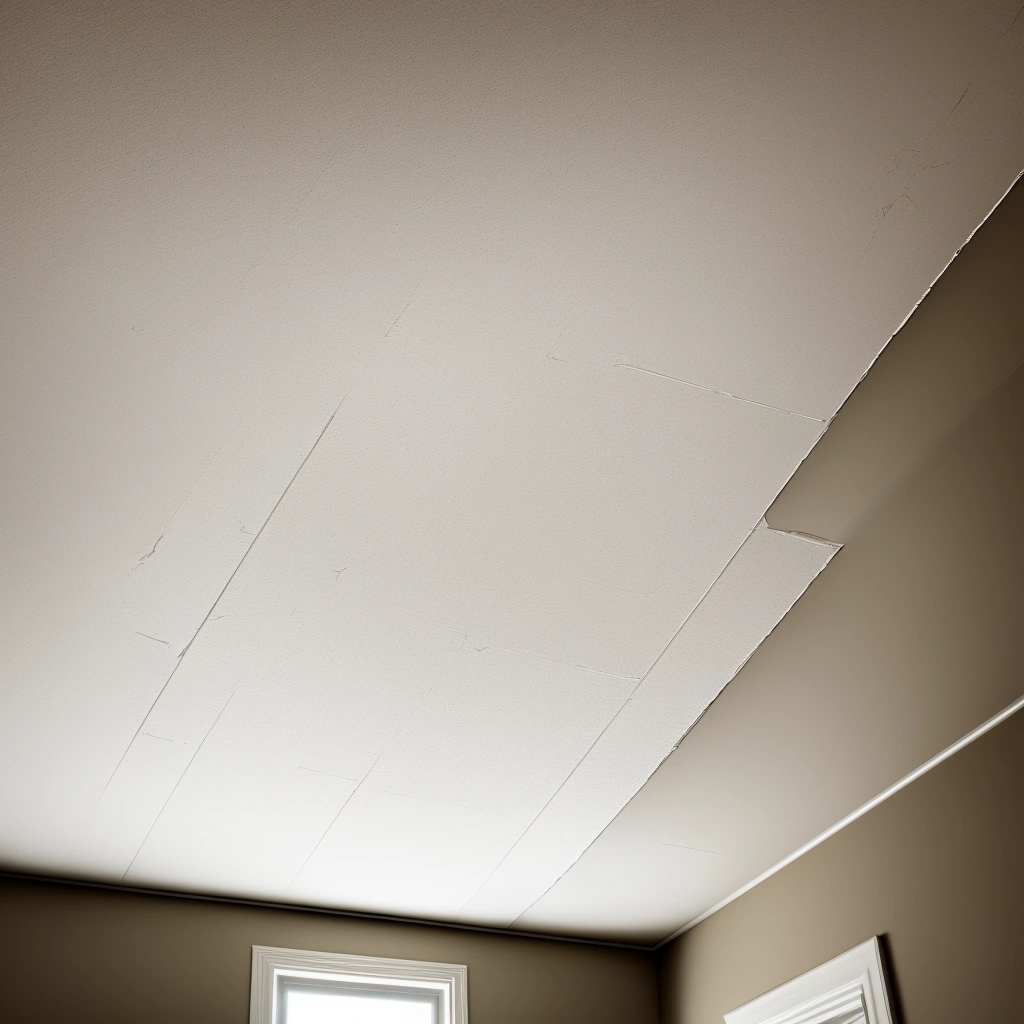
Introduction: Deciphering the Secrets of Ceiling Discoloration
Has your ceiling developed unsightly stains, discoloration, or other unusual markings? Don’t ignore these telltale signs! Ceiling discoloration, ranging from subtle shadows to prominent patches, often points to underlying issues that require attention. These issues can vary significantly in severity, from minor cosmetic imperfections easily addressed with a quick DIY fix to substantial structural damage necessitating professional intervention. This comprehensive guide will equip you with the knowledge to decode the secrets behind your ceiling discoloration and empower you to take the appropriate action. Understanding the causes, conducting a thorough inspection, and knowing when to call in the experts are crucial steps in maintaining a healthy, safe, and aesthetically pleasing home environment. Ignoring ceiling discoloration can lead to more extensive and costly repairs down the line, so proactive identification and address are key components of responsible homeownership.
Discoloration can manifest in various forms, each hinting at a potential underlying cause. A yellowish-brown stain, for instance, is a classic indicator of water damage, perhaps from a leaky pipe or roof. Dark, irregularly shaped spots, especially accompanied by a musty odor, might signal mold growth, a serious concern requiring immediate attention. Sooty or grayish discoloration could be the result of smoke damage, while peeling or bubbling paint may indicate poor ventilation or excessive moisture. Accurately identifying the type of discoloration is the first step towards effective remediation. Even seemingly minor discolorations can escalate into significant problems if left unaddressed, so early detection and intervention are essential for preserving the integrity of your ceiling and the overall health of your home.
This guide will walk you through the process of identifying and addressing ceiling discoloration, offering practical advice for both DIY enthusiasts and those who prefer professional assistance. We’ll explore the common causes of discoloration, from plumbing leaks and roof damage to humidity issues and inadequate ventilation. You’ll learn how to conduct a thorough visual inspection, checking for telltale signs like cracks, bulging, and peeling paint. We’ll also delve into the importance of inspecting ceiling insulation and structural elements, crucial steps in identifying potential hidden problems. Furthermore, we’ll cover the use of tools like moisture meters for accurate assessment and discuss how to recognize potential mold growth. By understanding these aspects, you can take proactive steps to address ceiling discoloration effectively, preserving the beauty and structural integrity of your home while ensuring a safe and healthy living environment. Whether you’re a seasoned DIYer or new to home maintenance, this guide provides valuable insights and practical tips to tackle ceiling discoloration effectively. From simple cleaning solutions for surface stains to understanding when professional help is necessary for more complex issues like water damage or mold remediation, we’ll cover the essential steps to restore your ceiling to its pristine condition. Knowing how to identify the root cause of the problem is crucial for implementing the correct solution and preventing recurring issues. This guide empowers you with the knowledge to make informed decisions about your ceiling repair, saving you time, money, and potential headaches in the long run. By following the steps outlined in this comprehensive guide, you can maintain a beautiful and structurally sound ceiling, contributing to the overall value and comfort of your home.
Understanding the Causes of Ceiling Discoloration
Understanding the root causes of ceiling discoloration is the first step towards effective remediation. Water damage often manifests as yellowish or brownish stains, sometimes accompanied by a musty odor. This could indicate a leak from plumbing fixtures in the floor above, a compromised roof, or even overflowing gutters. For instance, a slow leak in a bathroom pipe can gradually saturate the ceiling below, resulting in a discolored patch that grows larger over time. Inspecting the area above the discoloration for signs of water damage is crucial for pinpointing the source. High humidity and inadequate ventilation can also contribute to ceiling discoloration, especially in bathrooms and kitchens. Excess moisture in the air condenses on cooler surfaces like ceilings, leading to the growth of mildew and mold, which appears as dark, often black or greenish, spots.
Ensuring proper ventilation, such as running bathroom exhaust fans during showers and after baths, can significantly mitigate this issue. Furthermore, poor insulation in the attic can exacerbate condensation problems, leading to ceiling discoloration. Insufficient insulation allows warm, moist air to escape into the attic, where it cools and condenses on the roof sheathing and the ceiling below. Upgrading your attic insulation can improve temperature regulation and minimize moisture buildup, preventing discoloration. Smoke damage from fireplaces, candles, or cooking mishaps can also cause discoloration, often leaving yellowish-brown stains. These stains can be difficult to remove and may require repainting the ceiling. Finally, previous repairs might leave visible traces, such as mismatched paint or patching compound. Even the natural aging of certain building materials can cause discoloration over time. For example, plaster ceilings can develop a yellowish tinge due to oxidation.
Understanding these diverse causes empowers homeowners to address ceiling discoloration effectively and prevent further damage. Regular home maintenance, including checking for leaks, ensuring proper ventilation, and inspecting insulation, can significantly reduce the risk of ceiling discoloration. DIY enthusiasts can tackle minor discoloration issues, such as cleaning smoke stains or repainting small areas.
However, for more extensive damage caused by water leaks or mold growth, it’s best to consult with qualified professionals. They can accurately assess the situation, identify the underlying cause, and implement appropriate repairs, ensuring the long-term health and structural integrity of your ceiling. Ignoring ceiling discoloration can lead to more significant problems down the road, including structural damage, mold infestations, and costly repairs.
By understanding the causes and taking proactive measures, you can maintain a beautiful and healthy home environment.
Conducting a Thorough Visual Inspection
Begin your investigation into ceiling discoloration with a thorough visual inspection of the affected area. This initial assessment is essential for determining the severity and potential cause of the issue. Examine the ceiling closely for visible signs such as stains, cracks, bulging, or peeling paint, as these indicators can reveal critical clues about underlying problems. Document the specific characteristics of the discoloration—including its color, pattern, and exact location—while taking detailed photographs for future reference. For example, yellowish or brownish stains paired with a musty odor often suggest water leaks from plumbing or roofing issues. Dark, spotty discoloration, particularly in high-humidity areas like bathrooms or kitchens, may point to mold growth. If the stain appears large, spreading, and accompanied by sagging or bulging, it likely signals extensive water damage that requires immediate attention. Accurate identification of these visual cues forms the foundation for effective ceiling repair efforts.
The location of the discoloration provides additional context for diagnosing the problem. Stains near plumbing fixtures, such as in bathrooms or kitchens, strongly indicate potential water leaks as the root cause. Similarly, discoloration around chimneys or vents may suggest smoke damage or ventilation issues. When the discoloration is concentrated near the edges of the ceiling or exterior walls, it could result from poor insulation or air leaks, leading to condensation and subsequent staining. By analyzing both the visual characteristics and the precise location of the discoloration, you can narrow down the possible causes and determine the most appropriate course of action. Thorough documentation of these observations—including photos and detailed descriptions—ensures clear communication with contractors if professional assistance is needed.
While a visual inspection provides valuable insights, some underlying issues may not be immediately apparent. In such cases, further investigation using tools like a moisture meter or consulting a professional may be necessary to pinpoint the exact cause. For suspected mold growth or extensive water damage, seeking the expertise of a qualified professional is highly recommended to ensure proper remediation and prevent additional harm to your home. Prompt attention to these issues can avoid costly repairs and safeguard the health of your household. Regular ceiling inspections and addressing minor discolorations early can significantly extend the lifespan of your ceiling and maintain a healthy living environment.
Documenting all findings meticulously is crucial for effective problem-solving. Include detailed descriptions of the discoloration, its progression, and any associated symptoms, such as odors or structural changes. High-quality photographs taken from multiple angles will provide contractors with a clear reference for diagnosing and addressing the issue. This comprehensive documentation not only aids in accurate diagnosis but also ensures that repair efforts are both efficient and targeted. By maintaining thorough records, you create a reliable foundation for future maintenance and prevent potential complications from being overlooked.
A proactive approach to home maintenance is key to preserving the integrity of your ceiling. Regular inspections and addressing discoloration promptly can prevent minor issues from escalating into major problems. Whether the cause is water damage, mold, or poor ventilation, early intervention ensures that repairs are less invasive and more cost-effective. By prioritizing visual inspections and professional guidance when necessary, you protect your home’s structural health and maintain a safe, comfortable living space for years to come.
Checking Your Ceiling Insulation
Insulation plays a crucial role in regulating temperature and preventing moisture buildup, both of which are key factors in preventing ceiling discoloration. Inadequate or damaged insulation can disrupt the temperature balance between your attic and the rooms below, leading to condensation on the ceiling surface. This condensation can manifest as discoloration, often appearing as yellowish stains or patches. Checking your attic insulation is a vital step in identifying the root cause of ceiling discoloration and preventing further damage. Begin by visually inspecting the insulation for signs of moisture damage, such as dampness, discoloration, or a musty odor. If the insulation feels wet or appears compressed, it’s likely compromised and needs attention. Also, check for adequate coverage, ensuring the insulation is evenly distributed and reaches the edges of the attic floor. In older homes, inadequate insulation can be a major contributor to ceiling discoloration. For example, if your attic insulation is thin or compressed, it may not effectively prevent temperature fluctuations, leading to condensation and subsequent staining. Adding insulation or replacing damaged insulation can significantly improve your home’s energy efficiency and reduce the risk of ceiling discoloration. Beyond visual inspection, consider using a moisture meter to accurately assess the moisture levels in your insulation. This tool can help pinpoint areas of concern, even if they’re not readily visible. Addressing insulation issues early on can prevent more extensive and costly repairs down the line.
Remember, proper insulation is a key element of home maintenance, contributing to both comfort and structural integrity. Another important aspect of insulation to consider is its type. Different insulation materials have varying resistance to moisture. For instance, fiberglass insulation is susceptible to moisture damage, while spray foam insulation offers better resistance. If you live in a humid climate or have experienced recurring moisture problems in your attic, consider upgrading to a more moisture-resistant insulation type. This investment can save you money and hassle in the long run by preventing ceiling discoloration and other moisture-related issues. Finally, ensure your attic is properly ventilated. Proper ventilation helps regulate temperature and humidity levels, minimizing the risk of condensation and subsequent ceiling discoloration. Check that vents are clear of obstructions and functioning correctly. If you notice persistent moisture issues despite adequate insulation, consult a professional to assess your attic’s ventilation and recommend improvements. This is especially important in areas prone to high humidity, where proper ventilation is essential for preventing mold growth and other moisture-related problems. By addressing insulation and ventilation issues promptly, you can protect your ceiling from discoloration and maintain a healthy home environment. A well-insulated and ventilated attic is a crucial step in preventing ceiling stains and maintaining the overall value of your home. Don’t underestimate the importance of regular inspections and maintenance to catch potential problems early on and avoid costly repairs in the future.
Inspecting Structural Elements
Inspecting the structural elements of your ceiling is a fundamental step in diagnosing and addressing discoloration issues. Joists and rafters serve as the backbone of your ceiling’s framework, and any damage—such as water stains, softened wood, or rot—can compromise their stability. These signs often indicate prolonged moisture exposure, which weakens structural integrity and may lead to sagging or collapse over time. Additionally, pest infestations like termites or carpenter ants can further degrade the wood, exacerbating repair challenges. Early detection of these issues is critical, as it prevents minor problems from escalating into costly, safety-risking failures. Focus your inspection on connection points between joists and rafters, where water tends to accumulate and pests are more likely to nest.
Using a Moisture Meter for Accurate Measurement
A moisture meter is an invaluable tool for accurately assessing the moisture levels within your ceiling, allowing you to pinpoint the source of ceiling discoloration, especially when the issue isn’t immediately obvious. This device goes beyond simple visual inspection, detecting hidden moisture that could be lurking beneath the surface of your ceiling, potentially indicating a leak or condensation issue. Using a moisture meter is a straightforward process; you simply press the probes against the ceiling surface, and the device provides a numerical reading that indicates the moisture content. This reading is critical for determining the extent of the problem and guiding your next steps in home maintenance. For example, if you notice a slight discoloration but can’t see any clear signs of water damage, a moisture meter might reveal a hidden leak that’s slowly saturating the ceiling material. This allows for earlier intervention and prevents more extensive, costly repairs down the line.
There are different types of moisture meters available, each with its own benefits. Pin-type meters use two small probes that penetrate the surface, providing a highly accurate reading of the moisture content at that specific point. These are excellent for pinpointing the exact location of moisture. Pinless meters, on the other hand, use electromagnetic waves to scan the surface without penetration, making them ideal for assessing larger areas quickly and avoiding any potential damage to the ceiling. Choosing the right type of meter depends on the nature of your ceiling material and the extent of the suspected water damage. For instance, if you suspect a leak in your bathroom ceiling, a pin-type meter might be best for finding the exact point of entry, while a pinless meter could quickly scan a large living room ceiling for any general moisture issues. This step is crucial in any DIY ceiling repair project.
When using a moisture meter, it’s important to take multiple readings across the affected area and compare them. This will help you create a moisture map of your ceiling, highlighting the areas with the highest moisture content. These areas are likely to be the root cause of your ceiling stains or discoloration. Be sure to also check areas adjacent to the visibly discolored areas, as moisture can spread beyond the immediate stain. For example, if you have a water stain in the corner of a room, use the moisture meter to check the ceiling in the surrounding areas to trace the source of the leak. This careful approach ensures that you address the entire problem, not just the visible symptoms. Moreover, moisture meters are not just for water leaks; they can also help detect areas of condensation caused by poor insulation or inadequate ventilation, which are common contributors to mold growth and ceiling discoloration.
Beyond pinpointing leaks, moisture meters can also help evaluate the effectiveness of your ceiling insulation. If the meter detects high moisture readings in areas where insulation is present, it could indicate that the insulation is damp, compressed, or not performing as it should. This can be especially helpful when you are doing a ceiling inspection in your attic. Damp insulation loses its effectiveness and can contribute to further condensation and moisture problems. This will lead to additional ceiling discoloration and potential structural damage. By using a moisture meter, you can identify these issues early and take steps to improve insulation and ventilation, preventing future problems and potentially saving on ceiling repair cost.
A moisture meter is an essential tool for any homeowner dealing with ceiling discoloration. It provides accurate and reliable data, allowing you to identify the root causes of the issue, whether it’s a leak, condensation, or a problem with your insulation. By incorporating a moisture meter into your home maintenance routine, you can effectively manage ceiling stains, prevent mold growth, and ensure the structural integrity of your home. Early detection and intervention, guided by the readings of a moisture meter, can save you time, money, and the headache of more extensive repairs. This tool empowers homeowners to take a proactive approach to ceiling repair and overall home maintenance.
Identifying Potential Mold Growth
Mold growth on ceilings presents significant health risks, particularly for individuals with allergies or respiratory sensitivities, and addressing it promptly is crucial for maintaining a healthy home environment. If you suspect mold growth on your ceiling, begin by conducting a thorough visual inspection. Look for telltale signs such as fuzzy or slimy patches, which often appear in shades of black, green, or gray. These patches may be accompanied by a musty odor, a common indicator of active mold growth. Keep in mind that mold thrives in moist environments, so pay close attention to areas around plumbing leaks, roof leaks, or inadequate ventilation, which are prime locations for mold to develop. Ceiling discoloration, often appearing as water stains or dark spots, can also be an early warning sign of a developing mold problem.
If your ceiling shows signs of water damage, such as discoloration or bulging, address the underlying moisture issue immediately to prevent mold growth. For instance, a yellowish stain accompanied by a musty smell near a bathroom could indicate a leak in the plumbing and potential mold growth. Identifying the source of moisture and repairing it is the first step in effective mold remediation. If you find potential mold growth, consider professional mold testing. A qualified mold inspector can accurately identify the type of mold present and recommend appropriate remediation strategies. Professional testing is especially important if you have health concerns or if the mold growth appears extensive.
DIY mold removal can be risky, especially if the mold is toxic or covers a large area. Improper handling can spread mold spores and exacerbate the problem. For small, isolated patches of surface mold, you might consider a DIY approach using a diluted bleach solution and following safety precautions. However, if the mold growth is extensive or recurring, consulting a professional mold remediation specialist is highly recommended.
They have the expertise and equipment to safely and effectively remove the mold and prevent future growth. Remember, addressing mold growth promptly is essential for protecting your health and maintaining the value of your home. By understanding the causes, recognizing the signs, and taking appropriate action, you can effectively prevent and address mold growth on your ceilings, ensuring a healthy and comfortable living environment.
Regular home maintenance, including proper ventilation and prompt attention to leaks, is crucial for preventing mold growth. Inspecting your ceiling insulation and structural elements for signs of moisture damage is also part of a proactive approach to preventing mold-related problems.
Assessing and Improving Ventilation
Proper ventilation is paramount in preventing moisture buildup, a leading cause of ceiling discoloration and related issues. Begin by evaluating existing systems like bathroom exhaust fans and kitchen range hoods, which defend against humidity from showering and cooking. Ensure they are adequately sized for their rooms and vent directly outdoors, not into the attic, as insufficient ventilation causes condensation on cooler surfaces like ceilings, leading to stains and mold growth.
Furthermore, assess the age and condition of your ventilation equipment. Old or malfunctioning fans may not move air effectively and should be repaired or replaced; for instance, a dust-clogged bathroom fan with a weak motor will struggle to remove moisture, causing persistent discoloration. Pay close attention to naturally humid areas like basements and laundry rooms, which may require additional solutions such as dehumidifiers or supplemental fans. Beyond mechanical systems, consider natural ventilation by opening windows when weather permits, though this may be insufficient in humid climates or extreme weather.
Additionally, evaluate vent placement and obstructions. Vents positioned too high or too low may not effectively remove humid air; a bathroom vent too close to the ceiling might fail to capture shower steam, leading to condensation and stains. Ensure vents are not blocked by furniture. For DIY ceiling repair projects, improving ventilation is critical to prevent future issues. If unsure about your system’s effectiveness, consult an HVAC professional to assess your home’s needs and recommend solutions, preventing discoloration and mold. Upgrading ventilation is a worthwhile investment in your home’s long-term health and structural integrity, reducing overall repair costs.
DIY Solutions vs. Professional Help
Minor ceiling discoloration, such as surface stains from smoke or everyday dirt, often responds well to simple do-it-yourself cleaning methods. A gentle solution of warm water and mild detergent, applied with a soft sponge, can effectively remove many superficial blemishes. For more stubborn stains, specialized ceiling cleaners available at home improvement stores may be necessary. However, before applying any solution, it is essential to test it in an inconspicuous area first to ensure compatibility with your ceiling’s paint or finish. Addressing these minor issues promptly prevents them from escalating into more complex problems, but identifying the root cause remains critical. Misdiagnosing a superficial stain as a serious issue—such as a water stain from a leaky pipe—can lead to ineffective treatments and worsen the underlying problem, potentially causing further damage or mold growth. Always conduct a thorough ceiling inspection to rule out hidden issues before proceeding with any cleaning or repair efforts.