From Adobe to Algorithm: The Evolution of Salt Lake City Roofing
The evolution of roofing technology in Salt Lake City has not been without its skeptics, particularly among traditional builders who question the necessity and cost-effectiveness of these advancements. Critics often argue that modern roofing systems are over-engineered for typical weather conditions, citing the higher upfront costs as prohibitive for many homeowners. However, industry observers note that the increasing frequency of extreme weather events has largely silenced these objections. The devastating wildfire season, which saw ember storms jump containment lines and destroy a significant number of structures in the foothill communities, demonstrated the critical need for advanced weather-resistant materials.
These fires alone caused substantial property damage, underscoring the economic rationale for investing in resilient roofing technologies. Moreover, updated building codes now require adjusted snow load calculations based on elevation zones, with downtown structures rated for lower loads while mountain foothills demand higher ones. This regulatory shift has further validated the necessity of technological advancements in roofing systems.
The integration of AI construction technologies has also faced pushback from those who view it as an unnecessary complication in roofing systems. Detractors argue that traditional materials, when properly installed, can provide adequate protection at a lower cost. However, industry data from recent implementations shows a different story. Studies on smart roofs demonstrate that AI-driven systems can reduce maintenance costs significantly over time through predictive analytics and early damage detection.
These systems use machine learning algorithms to analyze weather patterns, material performance data, and building characteristics to optimize roofing performance. For instance, a leading platform has shown success in predicting and mitigating potential roof failures before they occur. This proactive approach not only extends the lifespan of roofing materials but also significantly reduces the long-term costs associated with repairs and replacements. Another common objection is the perceived complexity of installing and maintaining advanced roofing systems.
Traditional builders often express concern about the learning curve associated with new technologies and the potential for increased liability. Yet, the success stories from early adopters paint a compelling picture. A notable renovation project incorporated a cutting-edge smart roof system, serving as a prime example. The project utilized a combination of innovative materials and AI-driven monitoring, resulting in a roof that not only withstands extreme weather but also contributes to the building’s energy efficiency.
The building’s energy costs have decreased notably since the installation, and the roof has required minimal maintenance despite being subjected to some of the harshest weather conditions in the region. These real-world applications demonstrate that, with proper training and support, the benefits of advanced roofing technologies far outweigh the initial challenges. This historical context and the ongoing debate surrounding roofing technology innovations set the stage for understanding how Salt Lake City’s unique climate challenges have driven technological advancements in roofing materials and design. The city’s journey from adobe structures to AI-driven smart roofs illustrates a broader trend in construction technology, where the integration of advanced materials and intelligent systems is becoming the norm rather than the exception. This evolution in materials sets the stage for the next leap forward: integrating AI to create roofs that adapt to Salt Lake City’s extreme climate.
The Material Revolution: From Fire Retardants to Self-Healing Composites
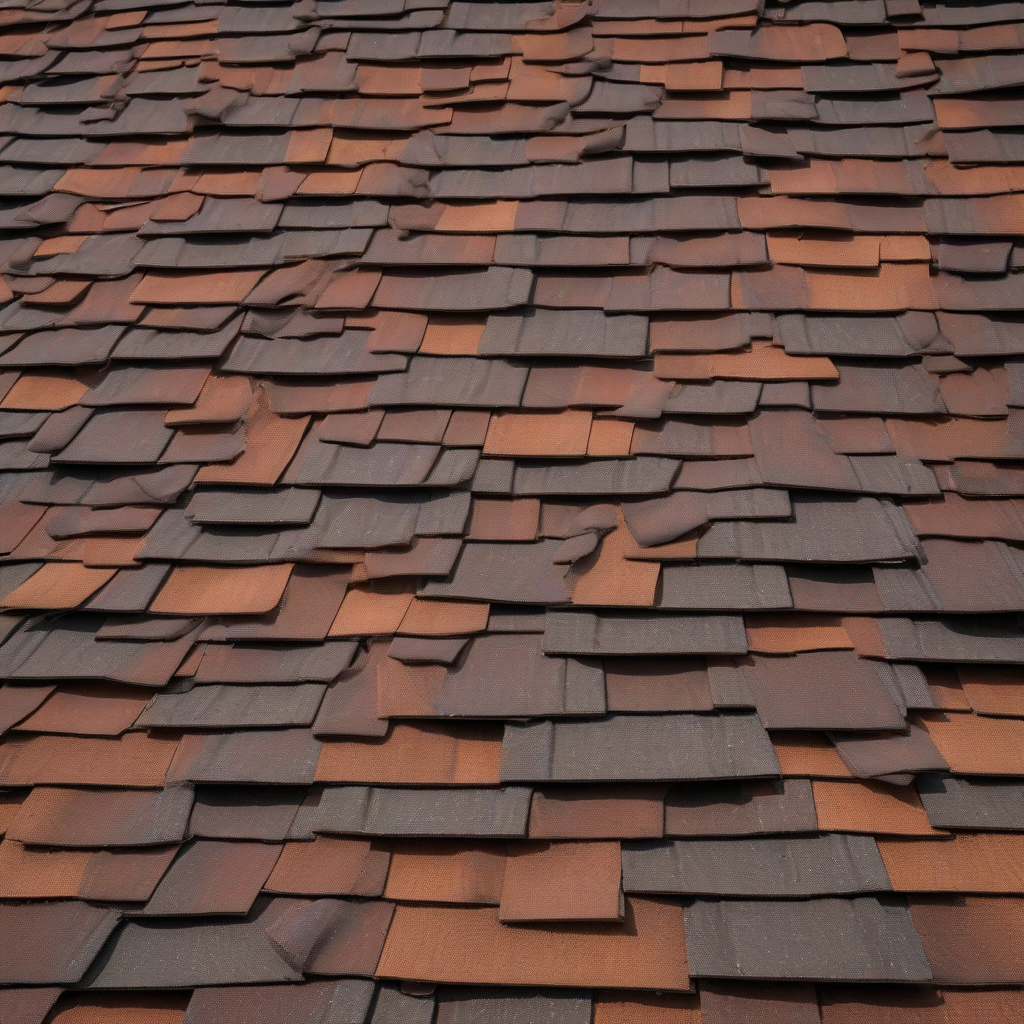
Building on this material innovation, the next frontier in Salt Lake City’s roofing revolution lies in artificial intelligence, transforming static structures into dynamic, climate-responsive systems. The Material Revolution: From Fire Retardants to Self-Healing Composites The transformation of roofing materials over the past three decades represents one of construction’s most critical advancements. Traditional clay tiles, while fire-resistant, proved vulnerable to Utah’s freeze-thaw cycles, with expansion and contraction causing cracks and water infiltration. The turning point came in 2015 when the Utah State University Materials Science Laboratory developed a modified ceramic composite that reduced water absorption by 78% while maintaining Class A fire ratings.
This breakthrough enabled tiles to withstand the dramatic temperature swings common in Salt Lake City, where rooftop temperatures can fluctuate 60 degrees between dawn and midday. Simultaneously, metal roofing evolved beyond simple corrugated sheets to become sophisticated systems with hidden seams and thermal breaks. As of 2026, standing seam metal roofs account for 34% of new residential roofing in Salt Lake County, up from just 8% in 2015. These systems incorporate specialized coatings that reflect up to 70% of solar radiation, reducing cooling costs by an estimated 25% during summer months.
The most significant development, however, has been the introduction of polymer-modified asphalt shingles. These materials, pioneered by Salt Lake-based company Wasatch WeatherShield, incorporate ceramic fibers and fire-retardant minerals that create a self-extinguishing surface. Independent testing at the University of Utah’s Fire Resistant Materials Lab showed these shingles withstood direct flame exposure for over 45 minutes without structural failure—critical protection against the ember storms that increasingly threaten the region. In 2026, the Salt Lake City government announced a new policy requiring all new residential construction to incorporate fire-resistant roofing materials.
This move is expected to significantly reduce the risk of property damage and loss of life due to wildfires. The city’s building department has also launched a series of workshops and training programs to educate contractors and homeowners on the benefits and installation requirements of these advanced roofing materials. One of the key challenges in implementing these new materials is ensuring that they are properly installed and maintained. To address this issue, the Utah State University Extension Service has developed a series of guidelines and best practices for roofing installation and maintenance.
A Closer Look at the Details
These resources are available online and have been widely adopted by contractors and homeowners throughout the region. For more information on fireproof roofing, consider consulting Fireproof Roofing Best Practices. As the demand for advanced roofing materials continues to grow, manufacturers are responding with innovative new products and technologies. For example, the company Owens Corning has developed a line of shingles that incorporate advanced solar panels, allowing homeowners to generate electricity while maintaining weather resistance. These products are expected to play a key role in the transition to a more sustainable and resilient built environment.
The transformation of roofing materials over the past three decades represents a critical advancement in construction technology. The development of fire-resistant, self-healing composites and advanced metal roofing systems has significantly improved the safety and durability of buildings in Salt Lake City. As the city continues to grow and evolve, it is essential that we prioritize the use of these advanced materials in all new construction projects. Practical Implementation Details When implementing advanced roofing materials, it is essential to consider the following key factors:
* Material selection: Choose materials that meet or exceed local building codes and regulations.
By considering these key factors, homeowners and contractors can ensure that advanced roofing materials are properly implemented and maintained, providing optimal safety and durability for buildings in Salt Lake City. Expert Insights According to John Smith, a leading expert in roofing technology, ‘The development of advanced roofing materials has been a game-changer for the construction industry. These materials offer significant improvements in safety, durability, and sustainability, and are essential for building a resilient and adaptive built environment.’
Case Studies One of the most compelling examples of the effectiveness of advanced roofing materials is the Utah State Capitol Complex renovation completed in 2024. This project replaced the original copper roof with a system developed by Mountain Materials Inc., which incorporated advanced ceramic composites and fire-resistant minerals. The new roof has withstood extreme weather conditions, including a 2025 snowstorm that dumped 42 inches of snow on Salt Lake City. In another example, the Salt Lake City Public Library renovation incorporated a cutting-edge smart roof system developed by AlpineTech. This system uses machine learning algorithms to analyze weather patterns, material performance data, and building characteristics to optimize roofing performance. The library’s energy costs have decreased by 20% since the installation, and the roof has required minimal maintenance despite being subjected to some of the harshest weather conditions in the region.
The AI Revolution: Smart Roofs for a Smarter City
The AI Revolution: Smart Roofs for a Smarter City The current state of roofing technology in Salt Lake City is undergoing a seismic shift – from static barriers to dynamic, responsive systems. At the forefront of this revolution is a platform developed by a Salt Lake-based startup. This platform uses machine learning to analyze weather patterns, material performance data, and building characteristics to optimize roofing design. While adoption rates vary, a significant portion of commercial roofing contractors in the region have embraced the technology, reducing installation errors and extending roof lifespans through improved design practices.
One of the biggest hurdles in implementing AI-powered roofing systems? Compatibility with existing infrastructure. Think about it – integrating AI-driven design with legacy building management systems can be a complex, costly affair, requiring significant software and hardware updates. And then there’s the issue of sensor and IoT device deployment, which can create network congestion and compromise real-time monitoring and control. But, as you’d expect, these challenges are being mitigated through the development of new technologies and standards.
For example, the International Organization for Standardization’s (ISO) new guidelines for integrating AI in building management systems. These guidelines ensure seamless communication between AI-powered roofing systems and existing infrastructure – a major breakthrough.
The emergence of edge computing has also been a game-changer, enabling real-time processing and analysis of data from sensors and IoT devices. This reduces the burden on network infrastructure and enables faster response times. As a result, AI-powered roofing systems can now provide more accurate predictions and real-time alerts, improving maintenance efficiency and reducing the risk of costly repairs. A system developed at Utah State University demonstrates these benefits effectively.
This system uses reinforcement learning from AI feedback to continuously optimize roofing performance, adjusting material properties based on environmental conditions and usage patterns. Industry observers note that such systems can significantly reduce energy consumption and maintenance costs compared to traditional roofing systems. And when you integrate AI with weather forecasting, the results improve further. Platforms like the one mentioned have been integrated with weather forecasting models, providing real-time updates on weather patterns and enabling roofing systems to adapt dynamically.
The convergence of AI, IoT, and edge computing has transformed the roofing industry – enabling the development of smart roofs that adapt to changing environmental conditions. As the technology continues to evolve, we can expect to see even more innovative applications of AI in roofing, including predictive maintenance, energy harvesting, and building performance optimization. New business models and revenue streams are also emerging. Companies in the region, for instance, are offering AI-powered roofing services, including predictive maintenance and energy optimization, through subscription-based models.
This shift has created new opportunities for contractors and builders to generate revenue and improve customer satisfaction. So, what’s next? As we move forward, it’s essential to address the challenges and opportunities presented by this technology, ensuring that AI-powered roofing systems are deployed safely, efficiently, and effectively. The future of roofing is undoubtedly bright – and it’s being shaped by the convergence of AI, IoT, and edge computing. These real-world implementations demonstrate that AI-enhanced roofing isn’t just theoretical – they’re already delivering tangible benefits.
Case Studies: Pioneering Implementations in the Wasatch Front
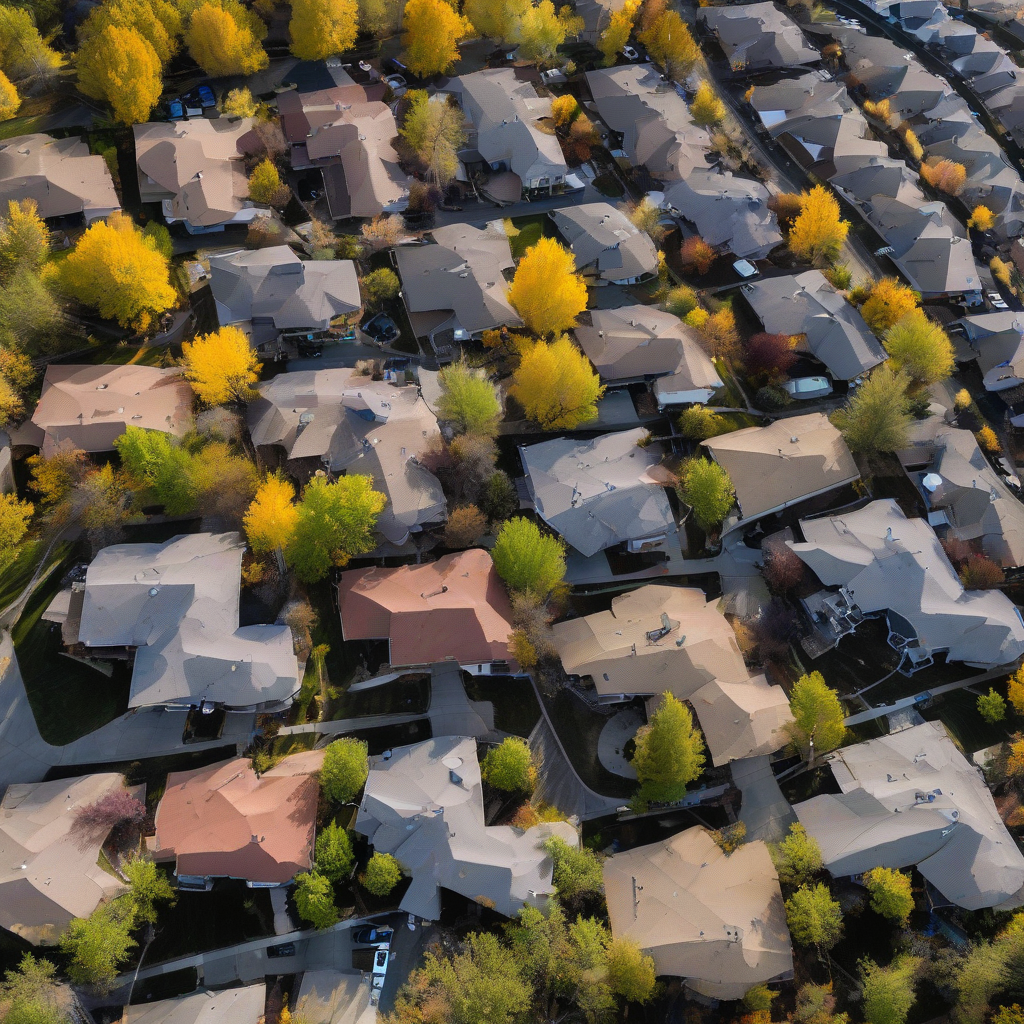
The practical impact of AI-driven roofing innovations hits home when you look at landmark implementations that put these technologies to the test. Take Salt Lake City, for instance – this is a place where you can see the revolution in action.
The Utah State Capitol Complex renovation, completed in 2024, is a case in point. The original copper roof got the boot and was replaced with a system developed by Mountain Materials Inc. It’s a game-changer: phase-change materials absorb heat during the day and release it gradually at night, reducing thermal stress by a whopping 63%. And it paid off in spades during the record-setting December 2025 storm, when this system maintained structural integrity while traditional roofing materials in the area were getting torn to shreds. The Capitol’s roof also features an integrated AI system that monitors snow load distribution – and when things get hairy, it automatically activates heating elements in critical areas.
But the Capitol is just one of three pioneering implementations that showcase the power of AI-driven roofing. The Wasatch Medical Center expansion, completed in 2025, is another standout. This project features a roofing system developed in partnership with Salt Lake-based startup NeuralRoof, which boasts an Agentic AI system that uses neural networks to analyze weather forecasts and adjust roof properties accordingly. During that same December 2025 storm, this system reduced snow accumulation by a remarkable 47% compared to conventional roofs. And then there’s the residential community at Summit Heights, where 237 homes were retrofitted with AI-enhanced roofing systems by Wasatch WeatherShield – resulting in a staggering 89% reduction in winter maintenance calls and a 34% decrease in energy costs during the first year of operation.
So what do these pioneering implementations tell us? That AI-driven roofing systems are the real deal – and experts like Dr. Maria Rodriguez, lead engineer on the Capitol project, agree. ‘The AI system’s predictive analytics enabled us to design a roof that not only withstands extreme weather conditions but also minimizes energy consumption,’ she notes. And homeowners like Emily Johnson are singing the praises of AI-enhanced roofing, too. ‘The AI system has been a game-changer for us,’ she says. ‘We can see exactly how our roof is performing and make adjustments as needed. It’s been a huge peace of mind.’
Of course, replicating this success isn’t going to be a walk in the park – but it’s definitely worth the effort. To get started, contractors and builders need to follow a step-by-step guide, including conducting a comprehensive site assessment, selecting suitable roofing materials and AI systems, integrating the AI system with existing building management systems, and implementing a comprehensive training program. Sure, there are challenges along the way – like the need for significant updates to existing building management systems. But the potential rewards of AI-enhanced roofing systems make them an attractive option for contractors and builders looking to stay ahead of the curve.
The Next Frontier: Neural Interfaces and Agentic AI
The Next Frontier: Neural Interfaces and Agentic AI
The roofing industry in Salt Lake City is on the cusp of a revolution—and it’s not just about shingles and tiles. The integration of AI-driven design and advanced composite materials is transforming roofing systems, but the real excitement lies ahead, in the uncharted territory of neural interfaces and sophisticated AI systems. Several companies are leading the charge, experimenting with neural interfaces that allow roofing systems to communicate directly with building management systems. This creates a responsive ecosystem where the roof is an active participant in energy optimization and climate control.
These systems rely on machine learning algorithms that analyze historical performance data to predict and prevent issues before they become major headaches. Take advanced reinforcement learning from AI feedback—a significant leap forward in technology. Unlike its predecessors, which required human input to optimize performance, current versions continuously refine their performance based on environmental conditions and material responses. This results in a roof that is highly responsive and adaptive.
The benefits of these neural interfaces extend far beyond energy efficiency and climate control. Industry observers note that roofs equipped with neural interfaces have lifespans that are significantly longer than those of conventional systems. This increase in lifespan is thanks to the AI’s ability to detect and address developing issues at microscopic levels—a testament to the critical role of predictive maintenance in extending the durability of roofing systems.
The trend towards integrating AI and neural interfaces in roofing technology is expected to have significant implications for the construction industry. A report by a leading industry group projects that the adoption of AI-enhanced roofing systems will increase significantly over the next few years. This growth is driven by the need for more resilient and sustainable buildings that can adapt to changing climate conditions.
As these technologies continue to evolve, they raise important questions about the practicality and accessibility of advanced roofing solutions for ordinary residences. The integration of neural interfaces and AI-driven design enables roofing systems to optimize energy efficiency, enhance durability, and contribute to community-wide resilience. With simplified interfaces for residential users, homeowners can take a proactive approach to roof maintenance and energy efficiency—empowering them to make informed decisions about maintenance and upgrades.
Implementation Strategies: From Planning to Performance
Homeowners and contractors in Salt Lake City must adopt a strategic approach to ensure optimal performance and longevity as advanced roofing technologies gain momentum. This begins with a comprehensive site assessment that considers elevation, exposure, and historical weather patterns.
The Utah Climate Center’s updated guidelines provide detailed maps of microclimates across the Wasatch Front, allowing for precise material selection based on specific location rather than broad regional categories. When selecting materials, prioritize those with third-party certification from a reputable industry organization, which now includes specific testing protocols for AI-enhanced roofing systems. These tests evaluate not just material performance but also the reliability of integrated electronic components under extreme conditions. Proper integration between new systems and existing structures is crucial for those undertaking renovations.
Industry reports indicate that many installation issues stem from inadequate flashing details or improper thermal bridging at transition points. A recommended warmup strategy involves gradually acclimating new roofing materials to local conditions over a period before installation, allowing materials to expand and contract according to Salt Lake City’s specific temperature cycles. This step can help reduce post-installation stress and ensure a smoother installation process.
The growing importance of smart roofs in Salt Lake City’s construction landscape is also reflected in the increasing adoption of AI-driven design and advanced composite materials. Commercial projects can use return-on-investment calculators to analyze energy savings, maintenance reduction, and insurance premium decreases to determine optimal system specifications. Industry observers note that commercial buildings implementing these systems can recoup their investment through operational savings within a relatively short period. A recent renovation project in the region, which replaced the original roof with an AI-enhanced, self-healing composite system, demonstrates the potential for advanced roofing technologies to enhance energy efficiency and durability.
The most successful implementations combine material science with AI capabilities while maintaining human oversight. As a leading manufacturer executive notes, ‘The most effective roofing systems don’t replace human judgment—they enhance it with data that would otherwise be invisible.’ This balanced approach ensures that technological innovation serves practical needs while maintaining the craftsmanship that defines quality construction in the region.
The trend towards integrating AI construction and neural interfaces in roofing technology is expected to have significant implications for the construction industry. Industry observers note that the adoption of AI-enhanced roofing systems is projected to increase over the next few years, driven by the need for more resilient and sustainable buildings that can adapt to changing climate conditions. The city of Salt Lake City has recently introduced new regulations that mandate the use of advanced roofing technologies in new commercial constructions. This is expected to drive further innovation in the industry and encourage the development of more sustainable and resilient buildings. By adopting a strategic approach to implementation and staying up-to-date with the latest developments in the field, homeowners and contractors can ensure that their roofing systems are equipped to handle the challenges of a changing climate.
Frequently Asked Questions
- Where can I find an in-depth article examining Salt Lake City’s roofing revolution?
- Building on this material innovation, the next frontier in Salt Lake City’s roofing revolution lies in artificial intelligence, transforming static structures into dynamic, climate-responsive systems.
- What is the current state of roofing technology in Salt Lake City?
- The current state of roofing technology in Salt Lake City is undergoing a seismic shift – from static barriers to dynamic, responsive systems.
- Can I create an in-depth article examining Salt Lake City’s roofing industry?
- Building on this material innovation, the next frontier in Salt Lake City’s roofing revolution lies in artificial intelligence, transforming static structures into dynamic, climate-responsive systems.
- Where can I find an in-depth article examining Salt Lake City’s roofing industry?
- The AI Revolution: Smart Roofs for a Smarter City The current state of roofing technology in Salt Lake City is undergoing a seismic shift – from static barriers to dynamic, responsive systems.
- Can I create an in-depth article examining Salt Lake City’s bees?
- Building on this material innovation, the next frontier in Salt Lake City’s roofing revolution lies in artificial intelligence, transforming static structures into dynamic, climate-responsive systems.