
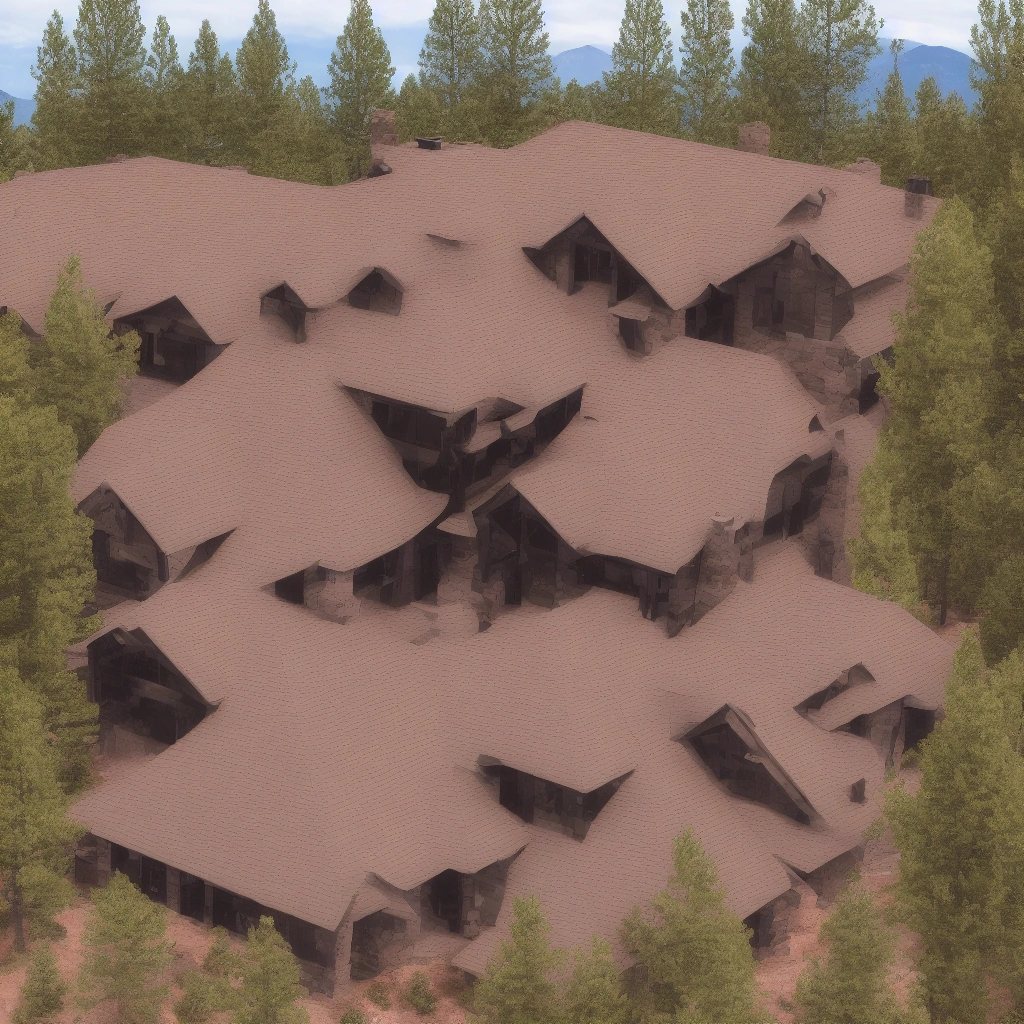
The Day the Wind Carried Fire to Our Doorstep
The air carried more than smoke that day—it carried the weight of a changing climate, one that’s turning places like Flagstaff into year-round wildfire zones. The acrid smell wasn’t just from a distant blaze; it signaled a fireproof roofing crisis we’d collectively ignored. My childhood home, like so many in the West, had been built with materials rated for a different era—one where wildfires were seasonal threats, not constant companions.
The pines still whispered, but now their secrets were warnings: the old ways of building wouldn’t survive what was coming. By the time my smart home tech issued its critical risk alert, the embers had already begun settling on roofs across the neighborhood, testing the limits of every shingle and vent. That warning, as urgent as it was, didn’t capture the full story. It didn’t account for the years of drought that had turned the forest into a tinderbox, nor the reality that climate resilience had become a burden many homeowners couldn’t shoulder.
The fire didn’t just exploit weak points in our defenses; it revealed a systemic failure in how we approach home fire safety. The embers that drifted onto my skin were the same ones landing on roofs ill-prepared for the heat. Traditional asphalt shingles, even those rated for fire resistance, are no match for the sustained onslaught of a wind-driven wildfire. The industry has long recognized this, yet the adoption of advanced roofing materials remains slow.
These materials aren’t just theoretical—they’ve been tested in labs and piloted in high-risk areas, but cost and inertia have limited their widespread use. The insurance wildfire crisis is deepening the problem, as premiums rise for homeowners who lack the resources to retrofit their homes with better protections. The quiet moment I experienced wasn’t just about personal loss; it was about the collective realization that we’re building homes for the past, not the future.
The threat of fire isn’t just symbolic—it’s a call to action. Communities like Flagstaff are increasingly relying on wildfire alert systems and other smart technologies to address gaps left by outdated building codes and materials. When combined with climate-resilient roofing solutions, these systems can detect early shifts in wind patterns and humidity, giving homeowners critical time to respond.
But technology alone isn’t enough. The embers that landed on my roof that day underscored that wildfire protection demands a comprehensive approach: stronger materials, improved building practices, and a commitment to invest in the future before disaster strikes. The fire didn’t just destroy homes; it shattered the illusion that we have time to waste. The horizon had turned rust not because of a sunset, but because the old assumptions about fire safety had already burned away. What remains is the chance—and the responsibility—to rebuild with something more durable.
The Tech That Could Have Saved Us: Graphene, AI, and the Future of Fireproofing
The roof over my head that day was rated Class A fire-resistant, a standard that once seemed sufficient for home fire safety. But as the Tinder Fire proved, traditional ratings can’t keep pace with the escalating intensity of Flagstaff wildfires. The shingles were designed to withstand embers, not the relentless heat of a wind-driven inferno. The conversation around fireproof roofing must evolve because the risks have grown far more severe. Some may argue that advanced materials like graphene are too experimental or expensive for widespread adoption.
Yet graphene is already moving beyond theory and into practical applications. Industry research has shown that graphene can endure extreme temperatures, far exceeding those produced by most wildfires. While the upfront cost may appear high, the long-term benefits—such as improved wildfire protection and potential insurance savings—make it a worthwhile consideration. The growing threat of wildfires is forcing homeowners to rethink what they can afford, not just in financial terms but in terms of risk.
AI also plays a critical role, though some remain skeptical of its reliability. Smart home technology has already demonstrated value in wildfire-prone areas. Leading tech firms are developing predictive models that integrate with existing home systems, offering more than just generic alerts. These systems continuously analyze wind patterns, humidity, and heat, adapting in real time. In some regions, AI-driven systems have detected dangerous environmental shifts hours before fires reached residential areas, providing crucial preparation time.
The technology goes beyond warnings—it takes action. Some systems can seal vents to block embers or deploy drones to identify hotspots. Concerns about power outages during wildfires are being addressed with backup solutions, including solar-powered batteries that keep AI sensors and communication networks running when the grid fails. In places like Flagstaff, where wildfires often disrupt power, these redundancies are becoming essential.
Additionally, community-wide networks of these smart systems create overlapping layers of protection. If one home’s system fails, neighboring units can compensate, ensuring continuous coverage. The combination of climate-resilient roofing and AI isn’t just about adding high-tech features—it’s about building a responsive system that adapts to wildfire unpredictability. In regions like Australia, where bushfires have caused widespread destruction, homeowners are increasingly adopting advanced materials and AI-driven early warning systems.
These solutions are already in use, offering a model for U.S. communities preparing for similar threats. No technology is perfect, and some will question whether the investment is justified. However, evidence suggests that homes with advanced roofing and AI monitoring have better outcomes during wildfires. The real question isn’t whether we can afford these technologies—it’s whether we can afford to ignore them. As wildfires become more frequent and severe, the cost of inaction will only rise. These tools don’t just help homes survive the next fire—they redefine climate resilience in the face of evolving threats. The technology exists; the decision is whether we’ll use it before the next ember falls.
The Sticker Shock of Survival: Why Fireproofing Your Home Feels Like a Privilege
When I asked about fire-resistant materials, the contractor’s eyes widened. The price wasn’t just high—it was prohibitive. A typical roof upgrade could drain a budget before labor even began. That’s the cold truth of climate adaptation: the tools to protect homes exist, but they’re priced as if they’re for the wealthy. Insurers made that clear at a recent forum.
Insurance premiums in wildfire zones have skyrocketed. Some companies now refuse to renew policies at all. The message was blunt: want coverage? Spend on protective upgrades. But metal roofs, ember-resistant vents, and defensible space don’t come cheap. For a neighbor—a retired teacher who lost her home in a fire—the cost matched her entire yearly salary. When the contractor handed her the estimate, she hesitated. “It’s too much,” she said.
Not because she didn’t need it. Because she couldn’t afford to wait for the next fire to prove her wrong. Government incentives exist, but they move slow, feel outdated, and rarely cover full costs. Tax credits for fire-resistant materials? They exist, but the paperwork is overwhelming, and the savings don’t stretch far enough. Meanwhile, contractors in high-risk areas are drowning in demand, their schedules booked months ahead. The result? A two-tiered system—those who can rebuild smarter and those who pray the wind stays calm.
This divide isn’t just growing—it’s widening. More homes sit in wildfire-prone zones than ever before, while fireproof roofing costs keep climbing. The most vulnerable homeowners are often the least able to afford protection. The insurance industry’s reluctance to cover high-risk properties only deepens the crisis.
In some states, policies are being dropped or non-renewed with alarming frequency. This isn’t just a regional issue—it’s a national shift, reshaping insurance markets where climate disasters dictate coverage. The financial strain falls hardest on lower-income homeowners, who face few alternatives. Fireproof roofing isn’t just expensive—it’s a safety barrier that disproportionately traps vulnerable communities.
The problem worsens when you consider the lack of standardized roofing materials and the slow adoption of safety tech. Advanced materials and smart systems hold promise, but their high cost and limited availability keep them out of reach. The gap between what’s available and what’s affordable keeps growing, leaving homeowners in a dangerous limbo. With wildfires growing more frequent and intense, the need for practical, scalable fireproofing solutions has never been more urgent.
But the market lacks clear guidance. Right now, the priciest options often get labeled as the safest—even if they’re not the best. The result? A system that rewards innovation but ignores accessibility. The real challenge isn’t just creating better fireproofing—it’s making sure those solutions are affordable for everyone. That will take collaboration: policymakers, insurers, and tech providers working together to build a fairer, more resilient future.
The clock is ticking. As the climate changes, the demand for effective fireproofing will only rise. The question isn’t whether we can meet this challenge—it’s whether we’ll choose to.
The Quiet Rebellion: How Homeowners Are Hacking Fireproofing Without Breaking the Bank
Homeowners now take fire safety into their own hands, proving that protection doesn’t require a hefty budget. After recent wildfires, communities share practical, cost-effective strategies to enhance wildfire protection. These grassroots efforts save money and lives in an era of climate-driven disasters. The journey to a more fire-resilient home often begins with small, manageable steps that collectively make a meaningful difference.
For example, creating a defensible space around a property by clearing dry brush and maintaining a buffer zone can reduce the risk of embers igniting a home. Fire safety experts recommend this approach as a cornerstone of climate-resilient roofing solutions. Homeowners can accomplish it with basic gardening tools and a weekend of work. Another practical measure is the installation of ember-resistant vents, which prevent burning debris from entering attics and crawl spaces.
These vents, often made from perforated metal, are a cost-effective alternative to more expensive fireproof roofing materials. Homeowners have found them to be an affordable way to add an extra layer of protection. The key is to focus on vulnerable entry points where embers can infiltrate and ignite a home from the inside out. Smart home technology for safety has also become a crucial tool in wildfire protection.
Affordable devices like smart cameras and weather stations provide real-time alerts and critical data, empowering homeowners to make informed decisions during a wildfire. For example, a camera mounted on the roof can send alerts to a phone at the first sign of smoke or embers, giving homeowners time to evacuate or take preventive measures. Similarly, a weather station can monitor wind speed and direction, helping anticipate a fire’s movement and plan accordingly.
These tools offer a practical and accessible layer of protection. Layering these defenses is crucial for maximizing home fire safety. A metal roof, for instance, is an upgrade from traditional shingles, but its effectiveness improves when combined with ember-resistant vents and a well-maintained defensible space. This multi-faceted approach addresses various vulnerabilities, creating a comprehensive defense system that can better withstand wildfires.
The challenge lies in knowing where to start and how to prioritize these upgrades. Building codes often lag behind the latest advancements in fireproof roofing materials, and contractors may not always recommend the most cost-effective solutions. This knowledge gap has led homeowners to seek guidance from online forums, community workshops, and local fire departments. The real innovation in climate-resilient roofing solutions is happening at the grassroots level, where people share their experiences and learn from one another’s successes and failures.
One inspiring example of this DIY spirit comes from a retired firefighter who transformed his home into a wildfire-resistant property on a modest budget. He began by replacing his wooden fence with a metal one, eliminating a potential fuel source. Next, he installed smart plugs that automatically cut power to non-essential appliances during high fire-risk conditions, reducing the chance of electrical sparks. He also lined his attic with radiant barrier foil, an affordable investment that reflects heat away from the roof and can lower attic temperatures.
These upgrades have proven effective in real-world wildfire scenarios. The retired firefighter’s story highlights an important truth: homeowners don’t need to rebuild their entire home to make it safer. Instead, strategic, incremental improvements can enhance a home’s resilience. This approach is particularly valuable for those facing financial constraints, allowing them to take meaningful steps toward protecting their properties without significant expense.
The journey to a fire-resilient home is not just about the materials used; it’s about adopting a proactive mindset. It requires resourcefulness and a willingness to learn from others. As wildfires become more frequent and intense, the need for practical, accessible wildfire protection strategies has grown.
Homeowners implementing budget-friendly fireproofing solutions demonstrate the power of community and ingenuity in the face of adversity. Yet, even as homeowners take these proactive steps, the limitations of current technology and materials become clear. The next frontier in home fire safety involves not just layering defenses but ensuring they remain effective under extreme conditions. This realization leads to a deeper examination of the challenges posed by smart home technology and the infrastructure it relies on.
The Hidden Flaws in ‘Smart’ Fireproofing: When Tech Fails and the Grid Goes Dark
The first time my smart thermostat sent a wildfire alert, I was at work. The second time, it was a false alarm—triggered by a dust storm. The third time, the power was out, and the backup battery lasted a limited time. That’s the dirty secret of smart fireproofing: it’s only as good as the grid it runs on. During recent wildfires, entire neighborhoods lost power as utility companies preemptively shut off lines to prevent sparks.
No power means no AI, no sensors, no alerts. Even the best systems fail when the infrastructure collapses. Then there’s the issue of false positives. A friend in California installed a network of IoT sensors that monitor heat and smoke. Last summer, they triggered an evacuation warning because a neighbor’s barbecue set them off. After repeated false alarms, he disabled the system. Now he’s back to checking the wind direction with a wet finger. Another concern?
Over-reliance. Smart tech can create a false sense of security. Users may assume the AI will catch everything, so they neglect basic precautions like clearing gutters or trimming trees. But no system is foolproof. The 2018 Camp Fire in Paradise demonstrated this clearly. Homes with defensible space and ember-resistant roofs fared better, but even they burned when the fire jumped from structure to structure. The lesson isn’t to abandon smart tech. It’s to treat it like a seatbelt—not a guarantee, but a critical layer of protection.
That said, the best fireproofing strategy combines traditional resilience with modern innovation. That means battery backups for smart systems, manual overrides for vents, and a plan for when the tech fails. Because ultimately, the only thing worse than no protection is thinking you’re protected when you’re not.
However, the narrative around smart fireproofing isn’t entirely bleak. In some cases, these technologies have proven their worth. For example, during a recent wildfire in Sonoma County, a home equipped with a smart sprinkler system activated by wildfire alerts managed to extinguish embers before they could ignite the roof. The system helped prevent significant losses, showing that smart home tech can be a valuable asset when paired with robust fireproof roofing materials.
Another example comes from the use of advanced roofing materials in wildfire-prone areas. While the initial cost may be higher, the long-term benefits in terms of durability and fire resistance are considerable. Industry observers note that some advanced roofing materials can withstand extreme temperatures, far exceeding the capabilities of traditional asphalt shingles.
This highlights the potential of advanced roofing materials to complement smart home tech, creating a more comprehensive defense against wildfires. Yet, integrating smart home tech and advanced roofing materials isn’t without challenges. One case from a recent wildfire in Napa Valley illustrates this well: a homeowner had installed a state-of-the-art smart home system but neglected to update the roofing materials. Despite the AI wildfire alerts and automated sprinklers, the home was lost because the roof couldn’t withstand the intense heat.
A holistic approach to wildfire protection requires prioritizing both smart tech and fireproof roofing materials. The insurance crisis in wildfire-prone areas further complicates the situation. As insurers become increasingly reluctant to cover properties in high-risk zones, homeowners are left to navigate climate resilience on their own. This has led to growing demand for solutions that combine smart home tech with fireproof roofing materials.
Several companies now offer bundled packages that include both smart sensors and advanced roofing, providing a more comprehensive solution for homeowners. While smart fireproofing has its flaws, it remains a critical component of modern wildfire protection. The key is to strike a balance between smart tech and traditional fireproofing methods, ensuring no single layer of defense is relied upon too heavily.
By integrating advanced roofing materials with smart home tech, homeowners can create a robust and resilient defense against wildfires. This multi-faceted approach not only enhances home fire safety but also contributes to broader climate resilience efforts. Balancing smart tech with traditional methods provides an actionable plan to fortify homes before the next disaster strikes.
No More Waiting: A Raw, Actionable Plan for Homeowners and Policymakers
Smart fireproofing flaws expose a harsh reality: no single solution guarantees safety. Protecting homes demands a layered defense strategy. This approach combines advanced materials, smart technology, and practical, low-tech safeguards. Homeowners and policymakers must act now. The time for half-measures has passed. Here’s how to prepare before the next wildfire strikes.
Ember-resistant vents stop embers from entering attics and crawl spaces. These vents prevent a common cause of home ignition during wildfires. Smart home technology also enhances wildfire protection. Install a smart camera on your roof for real-time monitoring. This system sends alerts when temperatures rise or smoke appears. Early warnings help homeowners respond quickly. However, technology alone is not enough.
Basic maintenance, such as clearing gutters and roofs of debris, remains one of the best ways to reduce fire risk. Dry leaves and pine needles are highly combustible. They provide fuel for embers that can easily ignite a home. Creating a non-combustible zone around your home further reduces fire risk. Use materials like gravel, pavers, or concrete instead of mulch. Fire doesn’t respect property lines, so collaboration with neighbors is essential.
A coordinated effort to maintain defensible spaces and share resources strengthens community-wide protection. Contractors and builders must go beyond offering the cheapest options. Fireproof roofing materials, such as metal roofs, fire-resistant underlayment, and high-performance shingles, should be standard. Educate clients about the differences between roofing materials and their fire-resistant properties. Many homeowners are unaware that some roofing options withstand severe fire exposure.
Advocating for better financial incentives is crucial. Existing tax credits often fall short of covering comprehensive fireproofing upgrades. Contractors should push for grants, low-interest loans, and bulk discounts on fire-resistant materials. These incentives make upgrades more accessible. Policymakers must also take decisive action to address the growing threat of wildfires. Updating building codes to reflect modern wildfire realities is a critical step.
Current standards were written for past fires. They do not account for the increased intensity and frequency of wildfires driven by climate change. Streamlining permits for fireproofing upgrades expedites the process. This ensures homeowners do not face bureaucratic delays when protecting their properties. Partnering with insurance companies creates pathways for homeowners to qualify for premium discounts. These incentives encourage proactive fireproofing measures.
Funding community wildfire defense grants provides financial assistance to families who lack resources for costly upgrades. These grants save lives and reduce disaster relief costs by mitigating wildfire impact. Integrating advanced roofing materials with smart home technology offers a promising frontier in climate resilience. Some materials, known for their strength and fire-resistant properties, enhance roof fireproofing capabilities.
Combining these materials with automated wildfire alerts and sprinkler systems creates a robust defense against wildfires. However, the cost of advanced roofing remains a barrier for many homeowners. This underscores the need for financial incentives and subsidies. The insurance crisis in wildfire-prone areas has further complicated the situation. Many insurers raise premiums or drop coverage in high-risk regions. This leaves homeowners searching for affordable solutions, sometimes resorting to DIY measures that may not provide adequate protection.
Policymakers and insurers must collaborate to create a sustainable model. This model balances risk and affordability, ensuring all homeowners have access to necessary tools and resources. The fire that devastated my home was not an isolated incident. As climate change increases wildfire risks, tools and technologies to mitigate these threats are already available. The choice is whether to act now or wait until the next ember lands on our doorstep.