The Dawn of Intelligent Roof Care
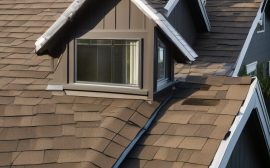
As Sarah Johnson carefully documented the crack near her chimney using a roof inspection app on her tablet, she received an immediate alert: Structural anomaly detected. Schedule professional assessment within 7 days. This real-time feedback represents just one facet of how roof maintenance is evolving through technological integration. The transformation begins with AI inspection tools that analyze high-resolution images captured by drones or smartphones, identifying issues invisible to the untrained eye. These systems compare current roof conditions against historical data and regional climate patterns to predict potential failure points.
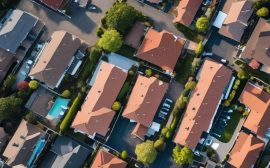
For instance, thermal imaging can reveal moisture accumulation beneath shingles, while AI algorithms assess the risk of future leaks based on material degradation patterns. The practical implementation of these technologies follows a clear progression. First, homeowners or contractors conduct a baseline assessment using drones inspection equipped with multispectral cameras, creating a digital twin of the roof structure. This 3D model becomes the foundation for ongoing monitoring through IoT monitoring systems that track environmental stressors like UV exposure, temperature fluctuations, and wind patterns.
Here’s the thing: these sensors, often solar-powered and wireless, transmit data to cloud platforms where machine learning algorithms analyze the information. The most advanced systems incorporate self-healing roofs technology, where microcapsules embedded in roofing materials release sealants when cracks form, automatically repairing minor damage before it escalates. However, the transition to intelligent roof care isn’t without challenges. Common pitfalls include over-reliance on technology without proper human oversight, leading to false negatives where serious issues go undetected. Practitioners emphasize the importance of hybrid approaches that combine AI inspection with periodic professional assessments.
Climate resilience also plays a crucial role, as emerging smart materials must be tested against regional weather patterns. For example, reflective coatings that work well in sunny climates might prove ineffective in areas with frequent hail storms. The cost of implementation remains a barrier for many homeowners, though industry analysts note that prices for basic monitoring systems have declined by approximately 30% over the past five years as adoption increases. As these technologies become more sophisticated, they’re creating new standards for roofing technology that prioritize prevention over reaction.
The most effective systems don’t just identify current problems but predict future vulnerabilities based on material science and weather modeling. This shift requires contractors to develop new skill sets, moving from traditional repair techniques to data interpretation and system maintenance. Homeowners benefit from extended roof lifespans and reduced emergency repair costs, while insurers gain more accurate risk assessment tools. The question facing the industry now is how quickly these innovations can be standardized and made accessible to the average homeowner. This technological evolution in roof care sets the stage for dramatically different scenarios in how maintenance might be conducted across various properties and regions. The trajectory will depend on how quickly these innovations can be adopted at scale and integrated into standard practice.
Three Futures of Roof Maintenance
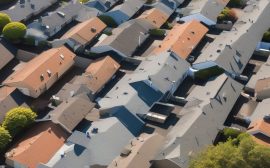
The rise of these technologies paints some fascinating—and wildly different—pictures of what roof maintenance might look like in the coming decades. Depending on how quickly people adopt them, what kind of regulatory support they get, and how the climate continues to change, we could be looking at very different futures for homeowners, contractors, and insurers.In the optimistic scenario, AI-driven predictive maintenance doesn’t just become common—it revolutionizes the entire industry. Imagine starting with a drone inspection so thorough it creates a 3D model of your roof, catching even the tiniest flaws in shingles or flashing. That’s just the beginning.These hyper-detailed assessments get fed into AI platforms that set up personalized monitoring for each roof, placing IoT monitoring sensors exactly where they’re needed most. Contractors shift gears, offering everything from basic packages—think quarterly drone check-ups and yearly professional reviews—to premium plans with real-time AI inspections that alert you the second something seems off. And yes, this opens up entirely new ways for contractors to make money, especially through data analysis services that help homeowners make sense of all the information streaming in from their smart materials.Insurance companies jump on board too, partnering with tech providers to offer discounts for homes with verified maintenance systems—some might even help cover the initial setup costs. Meanwhile, cities and towns hit hard by severe weather start offering tax breaks to homes that install these systems, seeing them as key to building community-wide resilience. And then there are the cutting-edge setups: self-healing roofs that fix minor damage on their own, sending you a casual update like Micro-crack detected and sealed at 3:47 PM straight to your phone.For this future to become reality, we’d need clear standards from regulators and some serious breakthroughs in material science to make these systems both effective and affordable. The realistic scenario, however, is a bit messier—because, let’s face it, progress usually is. Here, adoption is patchy, shaped by market forces and regional differences. Affluent suburban neighborhoods might get full access to these advanced maintenance ecosystems, while urban renters and rural homeowners stick with the old-school inspection methods.Contractors end up navigating a split market: tech-savvy firms snag high-end clients with full-service monitoring packages, while traditional operators scramble to compete on price for basic repairs. Homeowners might pick up DIY inspection kits with basic drones and analysis software, but let’s be honest—most won’t have the expertise to interpret the results correctly. Insurance companies, meanwhile, cook up complex pricing algorithms that reward certain tech setups while penalizing homes without them, leaving consumers scratching their heads.Then there’s the pessimistic outlook—the one we all hope to avoid. In this version of the future, technology just can’t keep up with the escalating climate challenges. Severe weather becomes more frequent, and traditional roofing materials start falling apart faster than anyone predicted, overwhelming homeowners and contractors alike. Insurance companies, drowning in losses, start excluding roof damage from standard policies or slap on deductibles so high they’re practically unaffordable. Homeowners in high-risk areas find themselves in a bind, struggling to get coverage and facing serious financial vulnerability.This scenario gets especially ugly in places where aging housing meets limited economic resources, creating maintenance crises that local governments simply can’t handle. The gap between what’s possible in the lab and what actually works in the real world yawns wider, with breakthroughs stuck in controlled environments instead of making their way into scalable, practical solutions.Understanding these potential futures isn’t just interesting—it’s crucial. It helps us spot the critical moments that could push us toward one scenario or another, and it gives stakeholders a roadmap for what to prioritize in their planning.
Critical Inflection Points Shaping Roof Maintenance
Several critical inflection points—including regulatory shifts, insurance practices, and technological accessibility—will determine the trajectory of roof maintenance. For example, the regulatory shift toward sustainable materials faces significant resistance in regions where economic priorities or geographic constraints limit adoption. The regulatory shift toward sustainable materials, while a clear inflection point, faces significant resistance in regions where economic priorities or geographic constraints limit adoption. For instance, in areas with high humidity or frequent saltwater exposure—such as coastal communities—the cost of climate-resilient materials often outweighs short-term savings, leading to delayed implementation. A 2022 case study in Florida highlighted how local governments struggled to enforce updated building codes due to pushback from contractors accustomed to traditional materials. This underscores that while regulations can drive innovation, their effectiveness hinges on financial feasibility and community buy-in. Similarly, the insurance industry’s pivot to linking premiums with technological adoption is not uniform.
Even so, some carriers, particularly in rural areas with limited tech infrastructure, may lack the data analytics capabilities to assess proactive maintenance systems, creating a disparity in incentives. This mirrors the early challenges of smart home technology, where rural adoption lagged behind urban centers. Another edge case involves self-healing roofing polymers, which, while promising in lab settings, face practical limitations. A 2023 pilot program in Arizona revealed that these materials required precise temperature and humidity conditions to activate, rendering them less effective in extreme climates. This raises questions about scalability: even if a material works in controlled environments, real-world variability could undermine its promise. Market consolidation among contractors, while potentially accelerating tech integration, risks creating monopolies that stifle competition.
For example, large firms acquiring drone inspection startups might prioritize proprietary systems over open-source solutions, limiting accessibility for smaller contractors. This could exacerbate the digital divide in roof maintenance, where only well-resourced homeowners benefit from advanced technologies. These counter-examples reveal that the path to proactive roof maintenance is not linear.
Regulatory, financial, and technological barriers often intersect in ways that complicate adoption, requiring stakeholders to balance innovation with pragmatism. As climate resilience becomes a critical concern, the focus must shift from idealized scenarios to adaptive strategies that account for regional disparities and resource limitations.
Preparing for the Roof Maintenance Revolution
As these inflection points unfold, homeowners and industry professionals alike must consider concrete steps they can take to prepare for this technological transformation in roof maintenance. Investing in IoT monitoring systems represents one of the most impactful actions, with devices that track moisture, temperature, and structural integrity providing early warnings of potential problems. These systems, which can be installed for a few hundred dollars, offer peace of mind and may qualify for insurance discounts in some regions. The latest generation of IoT sensors now incorporates machine learning algorithms that differentiate between normal environmental fluctuations and genuine threats, significantly reducing false alarms while maintaining high detection rates for actual issues. For those in areas prone to severe weather, emergency roof repair services with rapid response capabilities should be part of every homeowner’s preparedness plan.
However, the most forward-thinking homeowners are combining traditional emergency services with predictive maintenance technologies that can forecast potential failures before they occur. A study by the National Roofing Contractors Association showed that properties implementing predictive maintenance systems experienced 40% fewer emergency calls and 25% lower repair costs over three years compared to those relying solely on reactive approaches. Contractors should consider strategic investments in drone inspection technology and field inspection apps to remain competitive. Modern drone systems equipped with high-resolution thermal imaging can identify issues invisible to the naked eye, while specialized software can analyze this data to create comprehensive roof health reports.
The RSA Garage Doors model in Southwest Florida demonstrates how predictive maintenance can reduce emergency repairs and improve safety—a approach applicable to roofing as well. Early adopters of these technologies report not just improved detection capabilities but also enhanced client relationships through transparent, data-driven communication. Industry stakeholders should also advocate for policy incentives that encourage innovation in climate-resilient roofing technologies.
Tax credits for installing smart roofing systems, research grants for developing self-healing materials, and streamlined permitting processes for innovative technologies could accelerate adoption. In regions like California and Colorado, where wildfires and extreme weather events are increasingly common, such incentives have already begun showing promising results in accelerating the adoption of resilient roofing solutions. Homeowners associations can play a role by updating their guidelines to accommodate new technologies and sustainable materials. This includes revising architectural standards to allow for solar-integrated roofing systems, establishing protocols for IoT device installation, and creating maintenance schedules that leverage predictive analytics.
Even so, as winter storms increasingly threaten regions previously considered safe from severe weather, like Delaware, these preparations become even more critical. The lessons from energy efficiency standards of the early 2000s apply directly: early adopters benefit most, both in terms of protection and financial returns. The emergence of self-healing roofs represents perhaps the most promising frontier in roofing technology.
But these innovative materials, often incorporating microcapsules that release sealant when cracks form, can autonomously repair minor damage before it becomes structural. While still in the early stages of commercial availability, pilot programs in Europe and Japan have demonstrated their potential to extend roof lifespans by 30-50% while reducing maintenance requirements by as much much as 60%.
For homeowners, this translates to both reduced costs and enhanced protection against the elements. Preparing for the roof maintenance revolution requires a multi-faceted approach that combines technological adoption with traditional maintenance wisdom. The most effective strategies integrate AI inspection capabilities with human expertise, recognizing that technology excels at data collection and pattern recognition while human professionals provide contextual understanding and nuanced judgment.
As climate patterns continue to shift and extreme weather events become more common, this balanced approach will prove essential for protecting homes and ensuring long-term structural integrity. The roof maintenance revolution is coming—the question is whether stakeholders will lead the change or be left behind.