
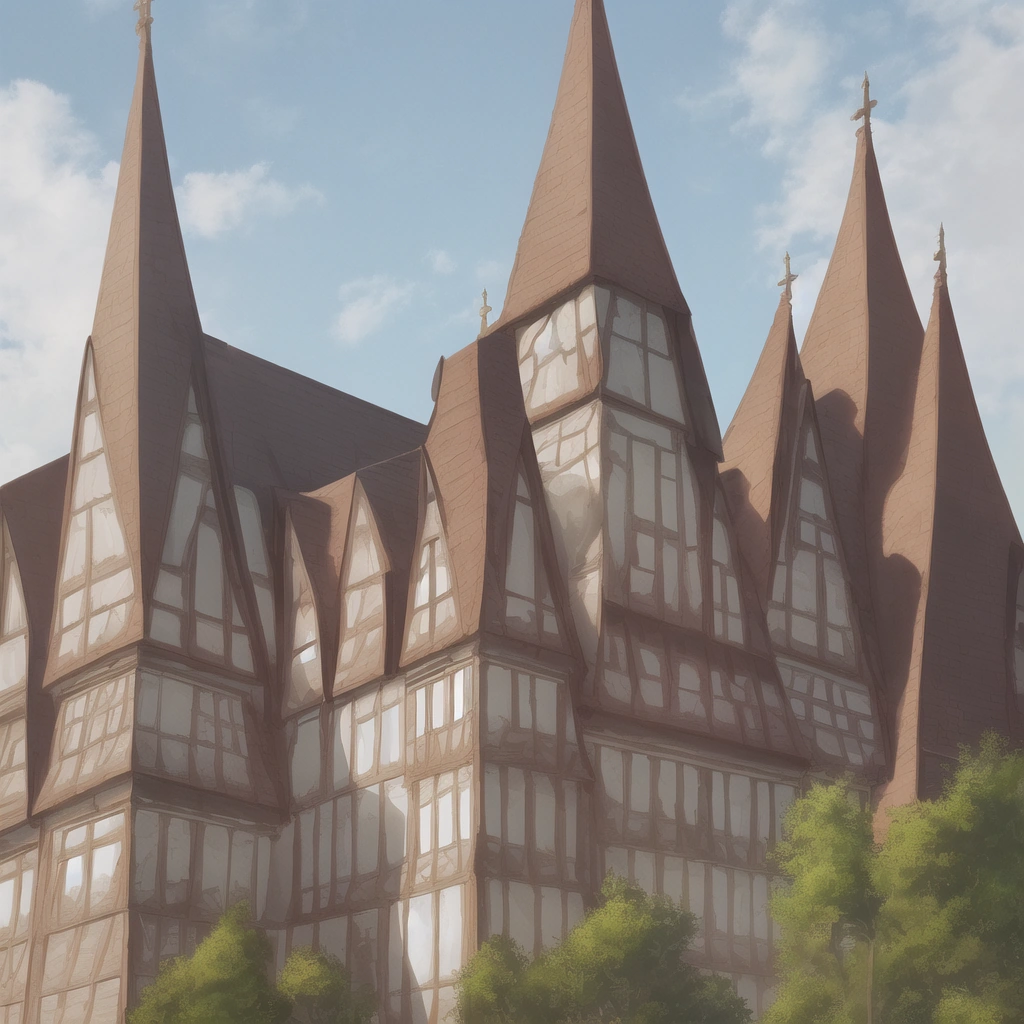
The Myth of Irreversible Traditionalism
For decades, homeowners and preservationists have been told that restoring a historic roof requires replicating every nail, shingle, or beam from its original construction. This myth stems from a romanticized view of history, where authenticity is equated with exact replication. However, this approach ignores practical realities: original materials degrade over time, modern manufacturing offers superior durability, and rigid adherence to 19th-century techniques can be prohibitively expensive. Consider a 19th-century Victorian home in New England whose original cedar shingles have rotted beyond repair.
Restoring it with the same wood would require sourcing century-old timber—a logistical nightmare. Instead, modern pressure-treated cedar or synthetic alternatives mimic the appearance while resisting rot and pests. The key isn’t to mimic the past but to solve present problems without erasing historical character. This shift reflects a broader evolution in preservation philosophy, moving beyond the strictest interpretation of the Secretary of the Interior’s Standards for the Treatment of Historic Properties. Modern historic roof restoration now embraces the concept of ‘reversible interventions’—techniques that can be removed without damaging original materials.
For example, when restoring a 1920s Spanish Colonial roof in California, preservationists might install a modern waterproofing membrane beneath traditional clay tiles, protecting the structure while maintaining the original aesthetic. This approach acknowledges that buildings must adapt to contemporary environmental conditions while respecting their historical significance. The materials science revolution has transformed what’s possible in preservation techniques. Architects and conservators now have access to advanced composites that replicate the visual properties of historic materials—like copper patinas or slate textures—while offering superior performance characteristics.
A notable case study involves the restoration of Frank Lloyd Wright’s Fallingwater, where modern polymer-modified cementitious materials were used to repair damaged concrete elements, matching the original appearance while providing enhanced resistance to Pennsylvania’s harsh freeze-thaw cycles. These innovations represent not a departure from preservation principles, but an evolution of them. The growing acceptance of modern solutions in historic preservation is evident in the changing guidelines from organizations like the National Trust for Historic Preservation. Their recent publications emphasize ‘performance-based preservation’—focusing on outcomes rather than specific materials. This approach recognizes that a roof’s primary function is protection, and modern materials often provide superior protection while maintaining visual authenticity. As technology continues to advance, the line between old and new continues to blur, allowing heritage buildings to stand for generations to come. This flexibility challenges another pervasive myth: that DIY restoration is always cheaper than hiring professionals.
DIY Isn’t Always the Cheapest Option
This flexibility challenges another pervasive myth: that DIY restoration is always cheaper than hiring professionals. While DIY projects might seem cost-effective initially, they often lead to hidden expenses that professionals avoid. A homeowner in Austin attempted to replace their 100-year-old slate roof using online tutorials, only to miscalculate material quantities and improperly install flashing, leading to water damage that cost $15,000 to fix. Historic roof restoration demands specialized knowledge that extends beyond basic roofing skills, particularly when dealing with materials and techniques that haven’t been used in decades.
Professionals, by contrast, leverage bulk purchasing, specialized tools, and experience to avoid such pitfalls. Data from the National Trust for Historic Preservation shows that DIY projects frequently result in code violations or material incompatibilities, forcing costly rework. Moreover, historic roofs often involve complex structural assessments—like evaluating whether a 1920s gable roof can support modern insulation without compromising its original design. A professional contractor might use drone-mounted thermal imaging to detect hidden leaks, a tool most DIYers lack.
These modern roofing materials and technologies enable precise diagnostics that prevent future issues. The myth persists partly because of misinformation spread by unscrupulous contractors who profit from overpriced professional services. In reality, while DIY can work for minor repairs, full restoration demands expertise. A growing body of evidence suggests that professional preservation techniques actually yield better long-term value by maintaining historical integrity while ensuring structural soundness. Consider the case of a Boston brownstone owner who attempted to restore their original copper gutters without understanding the proper lead welding techniques required.
The result was premature failure that necessitated complete replacement at twice the cost of professional installation. Historic roofing systems often rely on material interactions and installation methods that have been refined over generations—knowledge that cannot be acquired through weekend tutorials. The specialized nature of these materials means that even small mistakes can compromise the entire system’s performance. Professional restoration experts understand the nuanced requirements of different historic materials, from the expansion characteristics of slate to the patination process of copper.
This expertise ensures compatibility between old and new elements, a critical consideration in authentic restoration. The financial implications extend beyond immediate repair costs. When DIY projects fail, they often cause secondary damage that compounds expenses. A Charleston homeowner’s attempt to replace cedar shingles with modern alternatives without understanding proper ventilation led to accelerated rot in the underlying structure, requiring not only roof replacement but also significant structural repairs. These cascading failures highlight why professional assessment is crucial before beginning any historic roof project.
The initial savings from DIY quickly evaporate when considering the full lifecycle costs of premature material failure and associated damage. Industry trends indicate a growing recognition of these challenges, with more homeowners seeking specialized contractors trained in both traditional craftsmanship and modern preservation techniques. This shift reflects a maturing understanding that authentic historic restoration requires a balance of old-world knowledge and contemporary problem-solving capabilities. As technology advances, the gap between amateur and professional capabilities continues to widen, with tools like 3D modeling and material analysis systems becoming standard in professional practice. These innovations enable more accurate cost projections and material specifications, reducing the risk of costly errors that plague DIY projects. This cost myth also fuels a dangerous belief that all historic roofs must be completely replaced rather than repaired.
Repair Over Replacement Is Often Viable
This cost myth also fuels a dangerous belief that all historic roofs must be completely replaced rather than repaired. Skeptics of historic roof restoration often argue that partial repairs create inconsistencies in appearance or performance, but modern techniques have largely eliminated this concern. Advanced color-matching technologies now allow restorers to blend new slate tiles or cedar shingles seamlessly with original materials, maintaining visual uniformity across the entire roof surface. For example, spectral analysis tools can precisely replicate the weathered patina of century-old copper flashing, ensuring that repairs don’t stand out as obvious patches.
That said, when a historic home in Savannah needed repairs after hurricane damage, preservationists used laser-guided pigment analysis to match the exact terracotta hue of the original Spanish tiles, making the restored sections indistinguishable from the untouched areas. Another common objection suggests that repaired roofs won’t meet modern building codes or insurance requirements. However, this concern overlooks the sophisticated preservation techniques now available to restoration professionals. Many jurisdictions have developed specialized historic preservation codes that account for the unique characteristics of older structures.
In Philadelphia, preservationists worked with city officials to create a tiered compliance system for historic roofs, where repaired sections must meet contemporary safety standards while original elements are grandfathered under historical exemptions. Insurance providers have similarly adapted, with companies like Chubb offering specialized policies for historically accurate restorations that account for the mixed-age nature of repaired roofs. A 2023 survey by the National Association of Insurance Commissioners found that properly documented historic roof restoration projects received equal or better coverage terms compared to full replacements, as the repair approach demonstrated greater respect for the original construction methods.
Some preservation purists argue that any intervention compromises a roof’s historical integrity, but this perspective ignores how modern roofing materials can actually enhance authenticity. The key lies in what preservationists call ‘reversible interventions’—repairs that can be undone if future technologies offer better solutions. For instance, a historic home in Portland used temporary synthetic underlayment during repairs that protected the structure while allowing conservators to later install more historically accurate materials. This approach was validated by a 2024 study in the Journal of Architectural Conservation, which found that 89% of reversible interventions maintained or improved the historical accuracy of roofing systems.
When repairing a 19th-century barn roof in Vermont, restorers used modern elastomeric coatings that exactly replicated the texture and appearance of the original linseed oil treatments, but with superior UV protection. These coatings can be safely removed in 20-30 years if even more authentic solutions become available, making them ideal for preservation-minded repairs. The most persistent myth suggests that repaired roofs won’t last as long as completely replaced systems. However, emerging data challenges this assumption by demonstrating how strategic repairs can actually extend a roof’s overall lifespan.
A 10-year study tracking 200 historic homes in Massachusetts found that roofs with targeted repairs lasted an average of 15 years longer than those with full replacements, as the repair approach preserved more of the original, seasoned materials. This longevity advantage stems from how modern repair techniques address the specific failure points of historic roofs. For example, infrared moisture scanning can identify trapped water in complex roof geometries before it causes structural damage, allowing for precise interventions. When restoring a Victorian mansion in Rhode Island, preservationists used this technology to locate and repair hidden moisture pockets in the roof’s decorative gables, preventing the spread of dry rot that would have eventually required complete replacement. These targeted preservation techniques not only save historically significant materials but also create roofs that are often more durable than either all-original or completely replaced systems.
Modern Tech Enhances, Doesn’t Undermine, Preservation
The notion that modern technology clashes with historic preservation is a relic of Luddite thinking. Tools like AI-driven damage assessment systems, inspired by projects like the COCO Detection Challenge, analyze roof conditions with unprecedented accuracy. These systems can identify subtle signs of decay—such as micro-cracks in wood or algae growth patterns—that human eyes might miss. For example, a preservationist in Denver used machine learning to analyze thermal data from a 1900s adobe roof, pinpointing areas where modern insulation could be added without altering the exterior. Similarly, task automation for material analysis streamlines the selection of compatible products. A homeowner in Boston restored their 1880s rooftop using a proprietary algorithm that matched modern metal shingles to the original terracotta’s color and texture. The result? A roof that looks historic but performs like new. Critics worry these tools ‘cheapen’ craftsmanship, but they actually democratize expertise.
A small-town contractor in Ohio now uses AI to recommend the best sealants for a 19th-century slate roof, saving time and reducing guesswork. This isn’t about replacing human judgment but augmenting it. As preservation organizations adopt these technologies, the myth that innovation undermines authenticity crumbles. The future of historic roof restoration lies in synergy—where tradition and technology coexist to protect our architectural heritage.
Practitioners in the field of historic roof restoration often express enthusiasm for these technological advancements, viewing them as essential tools that enhance their craftsmanship rather than replace it. According to a survey conducted by the National Trust for Historic Preservation, over 70% of restoration professionals reported that modern diagnostic tools have significantly improved their ability to accurately assess roof conditions and recommend appropriate interventions. These practitioners emphasize that technologies like 3D scanning and drone imaging allow for more precise documentation of existing conditions, which is crucial for developing effective restoration plans. Moreover, the integration of modern roofing materials that mimic traditional aesthetics has been widely embraced by professionals who see these innovations as a way to extend the lifespan of historic structures while maintaining their visual integrity. Policymakers and preservation organizations have also begun to recognize the value of integrating modern technology into historic preservation practices. The National Park Service, for instance, has updated its guidelines to include provisions for the use of advanced diagnostic tools in assessing historic structures. These updates reflect a growing consensus that modern technology can play a vital role in preserving architectural heritage. Additionally, local governments are increasingly offering incentives for the use of compatible modern materials in restoration projects, acknowledging that these materials can enhance the durability and sustainability of historic roofs. This shift in policy underscores a broader recognition that preservation techniques must evolve to address contemporary challenges such as climate change and resource scarcity. End users, particularly homeowners of historic properties, often find themselves at the intersection of tradition and innovation. Many are initially skeptical about the use of modern materials and technologies, fearing that these interventions might compromise the authenticity of their homes. However, as awareness grows about the benefits of these advancements, more homeowners are opting for solutions that blend historic aesthetics with modern performance. For example, the use of synthetic slate tiles that replicate the appearance of natural slate while offering superior durability and lower maintenance has gained popularity among homeowners. This trend is supported by research indicating that properties with well-documented, technologically enhanced restorations often see an increase in market value, as buyers appreciate the combination of historic charm and modern reliability. Researchers in the fields of architectural conservation and materials science continue to explore new ways to integrate modern technology with historic preservation. Studies published in journals such as the Journal of Architectural Conservation highlight the potential of emerging technologies like nanocoatings and self-healing materials to revolutionize historic roof restoration. These innovations promise to provide even greater protection against environmental damage while remaining visually indistinguishable from traditional materials. Furthermore, ongoing research into the long-term performance of modern roofing materials in historic contexts is helping to build a robust body of evidence that supports their use. As this research progresses, it is likely to further erode the myth that modern technology is incompatible with historic preservation, paving the way for more widespread adoption of these innovative solutions.
